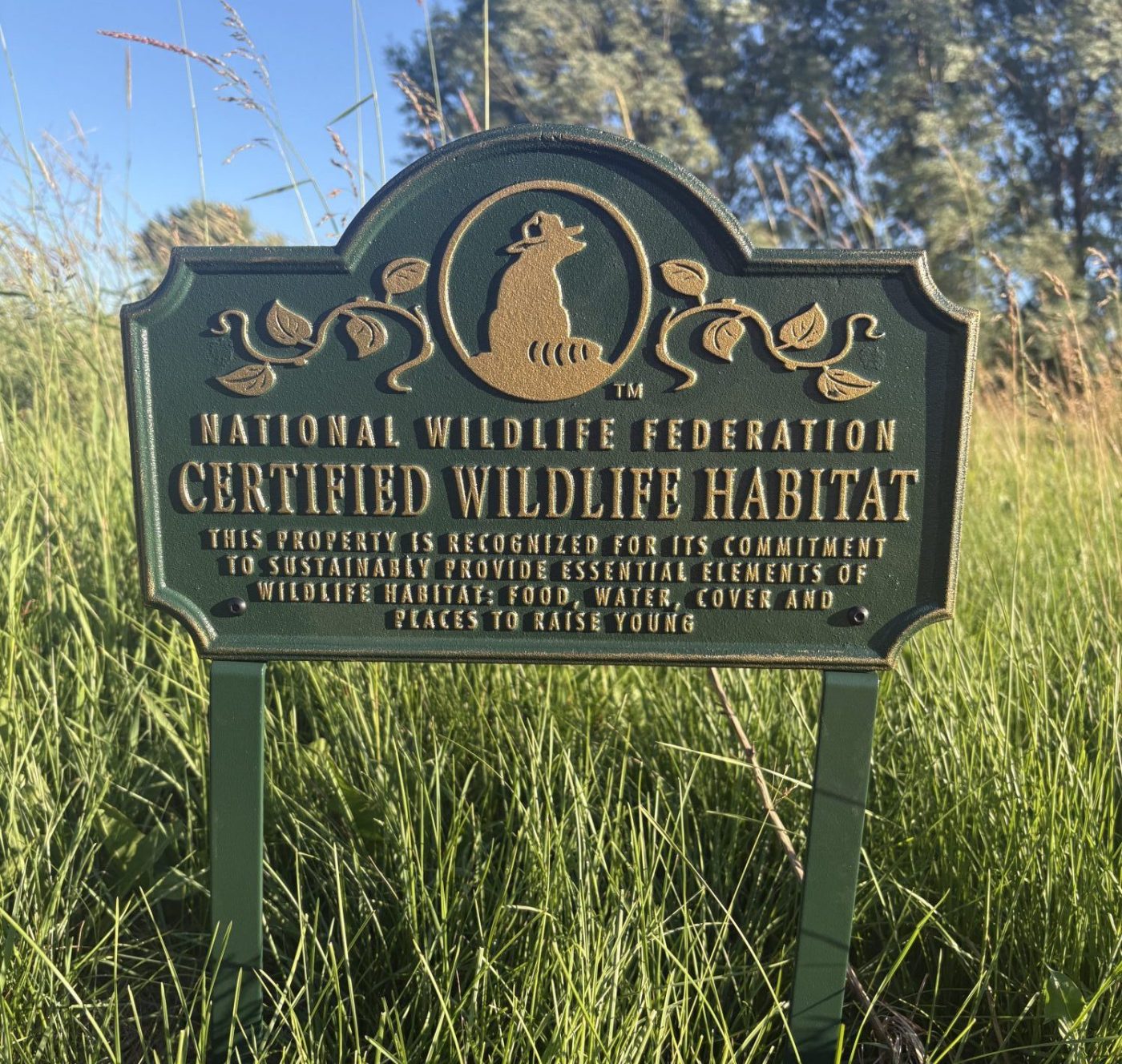
When my wife and I bought our current home, I was excited by the fact that it came with a big backyard. Though our total property is a bit less than 0.8 acres, it was significantly more land than we had at our old house.
As a lover of nature, I saw an opportunity to be able to enjoy more of it right out my own back door. I didn’t have a specific goal in mind at first. I just wanted to give myself the best opportunity to see wildlife as often as possible.
If that kind of thing interests you, I’d like to present you with some options along with some of my thoughts and experiences that came with my own journey of making our yard more friendly for wildlife.
We started small, hanging the bird feeders from our first house and planting a garden. Then, more opportunities organically presented themselves. For instance, our first spring, we discovered a portion of our yard held a significant amount of seasonal water that attracted ducks, geese, sandhill cranes, and blue herons.
Since the residual moisture made mowing difficult well into the summer months, we chose to let the vegetation in and near the seasonal pond grow, rather than mowing it. That ultimately turned into converting a chunk of our yard back into prairie it initially was.
As the habitat improved, so did the wildlife viewing. Deer, turkeys, rabbits, opossums, raccoons, even several species of frogs became regular visitors.
Earlier this year, I learned about the process of certifying land as wildlife habitat through the National Wildlife Federation. After a quick quiz, it was determined that our yard met or exceeded all of the criteria for certification, so I moved forward with the process. (You can take it for yourself here, if you’d like).
Now, you don’t need a lot of land, money, or even time to make your yard more welcoming to wildlife. Heck, in some cases, you can improve the quality of the wildlife habitat on your property by what you don’t do. And there’s no need to commit to creating a certified habitat to make a difference.
However, we are going to use the NWF criteria as a guideline.
There are five key factors to consider: food, water, cover, places to raise young, and sustainability. Being more intentional about any of them can help make your property more vibrant. I’ll break each of them down below. If you don’t feel like reading all that, here are some basic dos and don’ts to get you started:
DO
- Plant native plants – A wildlife-friendly yard can still be beautiful. Using native plants on your land can help increase aesthetics while providing animals with additional cover, places to raise young, and food sources.
- Be mindful of the resources your yard consumes – It takes more than time and effort to maintain the stereotypical “perfect lawn.” It can also require, water, fossil fuel, pesticides, and herbicides. Even with all of that, your green well-manicured lawn provides almost zero benefit to wildlife. And, if we’re being honest, it doesn’t really provide all that much to you, either. No one wants their yard to look like a dump, but be considerate of the resources you need to invest in maintaining a yard that meets your standards.
DON’T
- Rake your leaves – Maintaining a fallen leaf layer checks multiple boxes: food, cover, sustainability, and places to raise young. So save your back and your time. This is one of the most impactful changes you can make. There are 12 criteria that need to be met in order to have a certified wildlife habitat, leaving your leaves alone meets four of them. Leave the rake in the garage.
- Use pesticides or herbicides – No matter how targeted the application, herbicides and pesticides can and do kill more than just plants and bugs, they have the ability to have knock-on negative impacts all the way up the food chain. If a mouse eats a poisoned plant, and a bird eats a poisoned mouse, you’ve now poisoned (and possibly even killed) three things when only one was a concern.
Food
Food is the most obvious starting point. Everything has to eat.
Bird feeders are a straightforward go-to solution for many people. Varying the styles of your feeders can help attract even more birds. For example, our yard has a tube feeder, a ground feeder, and a seasonal jelly/fruit feeder. Different birds require different diets and find certain ways of eating more approachable. This variance alone has increased the variety of birds we see on our property noticeably.
If you go the bird-feeder route, it’s important to pay close attention to food levels. Teaching birds about a food source only to inconsistently provide said food defeats the purpose of this exercise.
Plants can also play a big role. Native plants can provide natural bird food or forage for rabbits, while host plants for insects can support a strong lower-end of the food chain. Plants with pollen or nectar can provide food for both birds and insects.
Even fallen leaf layers can provide nutrients to soil and bugs alike.
Water
Water is every bit as crucial as food. But adding it to a property that doesn’t have it can be tricky from both logistical and legal standpoints.
In my experience, smaller is better here. A bird bath or a fountain can be a significant upgrade to a yard that lacks water. As with the bird feeders, bird baths also require some added attention. Stagnant water can be a breeding ground for diseases. So be sure to refresh the water frequently.
If you want something more substantial, consider a rain garden.
Cover
I’d argue cover is one of the most over-looked aspects for folks who want to make their yard more inviting to wildlife.
If you want animals to visit your yard frequently, they, at a minimum, need easy access to a hiding spot nearby. If you want animals to live in your yard, on-site cover is an absolute requirement.
It won’t always take much, brush piles, evergreen plants, prairies, native grasses, or leaf layers will do the trick.
If you’re lucky enough to have an existing animal burrow in your yard, leave it there. Even if it’s not currently occupied, it will almost certainly provide a much-needed respite for wildlife in the future.
Places to Raise Young
You probably won’t be surprised to learn there is significant overlap between this category and the criteria for cover.
Brush piles, leaf layers, existing burrows, and bird houses can all provide opportunities for animals to raise their offspring. Mature or dead trees qualify as well. So, if you have them, leave ’em.
Sustainability
The word “sustainability” can seem overwhelming. But, in large part, improvements in this category are mostly about thoughtfulness.
For instance, turning your outdoor lights off at night, particularly during bird migration periods, to prevent light pollution is an extremely simple positive step on this front.
Taking small steps to reduce fossil fuel usage like mowing less frequently or using electric or hand-powered tools to maintain your yard also counts.
Our family composts our kitchen and garden waste through a local service that costs us a handful of dollars per week and we even get some natural fertilizers for our garden in return.
Avoiding the use of pesticides or herbicides and watering as efficiently as possible are also straightforward steps you can take.
If you want more wildlife in your yard, it takes little more than desire and some planning. You don’t need loads of acreage or time to make a difference in a time when wildlife habitat is becoming harder to come by. But, from experience, I can assure you that you’ll get out what you put in.


Leave a Reply