I’ve often joked with my friends and family about starting a worm farm.
I use loads of live bait during the peak summer months and, lets be honest, like most things a pack nightcrawlers isn’t getting any cheaper.
A few months ago, after some torrential rains, my driveway was filled with worms. It seemed like a shame to let all that free bait just sit there, so I started collecting them in an old sour cream container from my in-laws’ restaurant. Before long, I had dozens — far more than I could go through before they died. My friend Spencer, who lives down the street got in on the action and also filled a large bucket over at his house.
It seemed I had no other choice than to finally take the plunge into worm farming.
That night, I combined our collective haul with some leftover potting soil from last year’s garden in hopes of holding the crawlers until I could get to my local Fleet Farm to purchase supplies. I didn’t know the slightest thing about caring for worms, but I figured it couldn’t be that hard.
Being the nerd I am, I decided to keep a rough ledger to see if this effort was financially worth it.
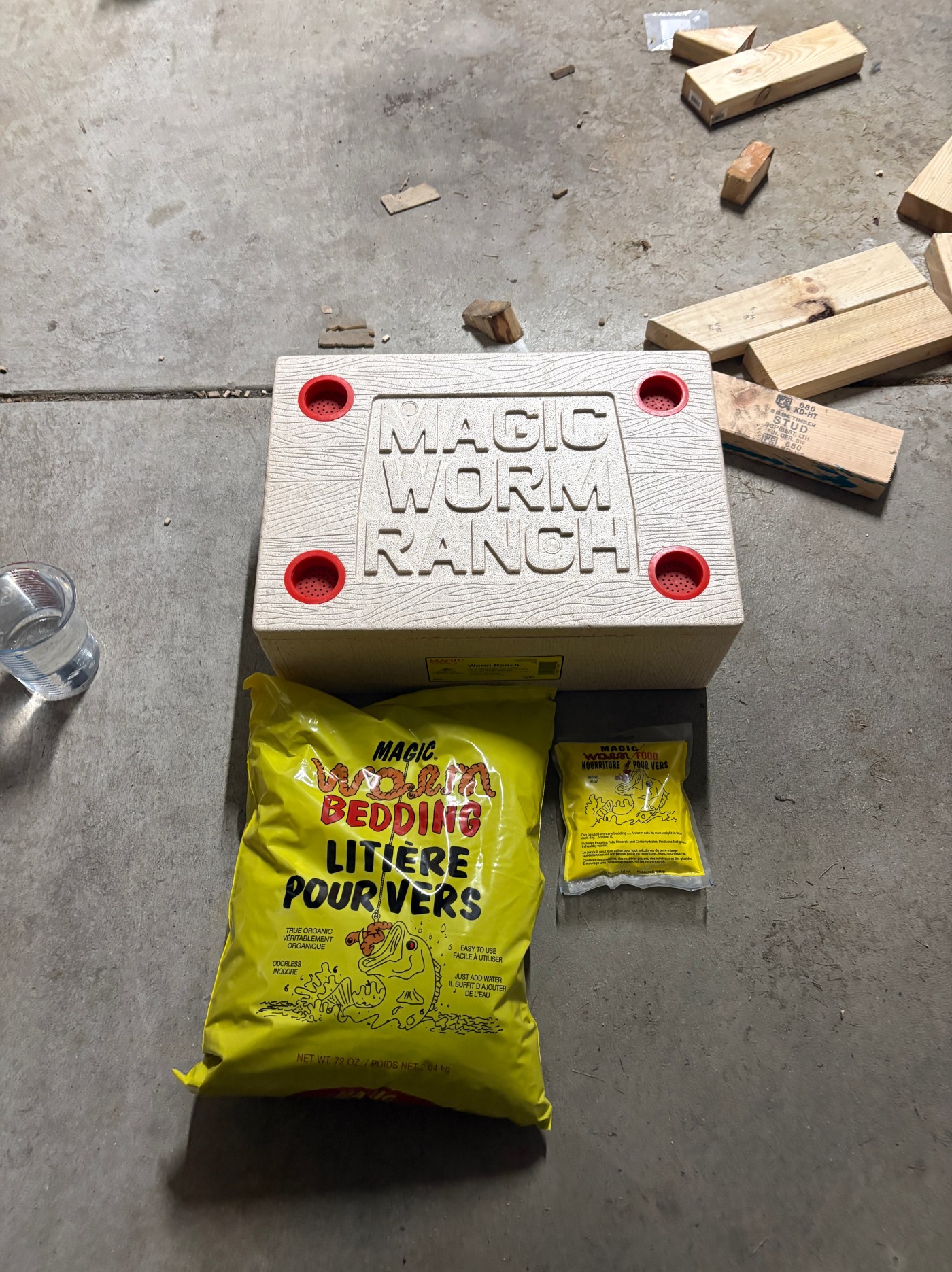
The next day, I made my first investment: a worm farm kit that held 12 dozen nightcrawlers that included bedding and enough worm food to get me started.
Below is a breakdown of my finances for this project, so far. If you are looking for information on how to farm worms, this isn’t the article for you. I am still in no way qualified to speak on that. But, if you want to give it a shot, here is my cost breakdown.
For perspective, I calculated the value of the worms I collected by taking the average cost of one dozen crawlers at the two shops I frequent, which is $4.75.
| Worm Farm Kit | -$30 |
| 12-Dozen Crawlers | +$57 |
| Dead Loss | -$2.38 |
| 5-Dozen Crawlers | +23.75 |
| New bag of worm food | -$10 |
| Total | +40.75 |
So, did farming my own worms actually save me money? Strictly speaking, at this point, yes. But there are some variables I’d like to call to your attention.
First, this only makes sense if you are able to collect large volumes of worms. My basic ledger was helped greatly by the fact Spencer and I were able to add another five dozen to the collection earlier this week.
Your outcome will also vary based on how quickly you are able to turn over your nightcrawler collection. In peak times, I am turning through at least two dozen per week.
As is the case with farming any living thing, the value comes from balancing the cost of keeping your critters alive with the gain that comes from using them. The longer they sit, the higher the feed costs. That can hurt you in the long run because your worms aren’t gaining value.
As I mentioned earlier, I have no clue if I am following best practices. Should I be changing the bedding more often? Am I feeding them enough? Are they being held at an ideal temperature? Any of those factors could certainly change input costs.
While the numbers I have at this point definitively say worm farming saves me money, there is one final point to consider: What is your time worth to you?
Don’t get me wrong, this hasn’t turned into a part-time job or anything crazy. But keeping the worm ranch occupied has required a time investment. Nightcrawlers won’t always be just sitting on the pavement, begging to be scooped up. On several occasions, I’ve had to hunt them down in the grass and that is a bit of a time investment. I personally find it fun, but that doesn’t mean you will.
If I broke it down, I am not profiting much per hour.
But, the way I see it, any time spent enjoying worm hunting is paid off by the convenience of not having to run to the bait shop or gas station to pick up a pack of crawlers when I want to fish.


Leave a Reply