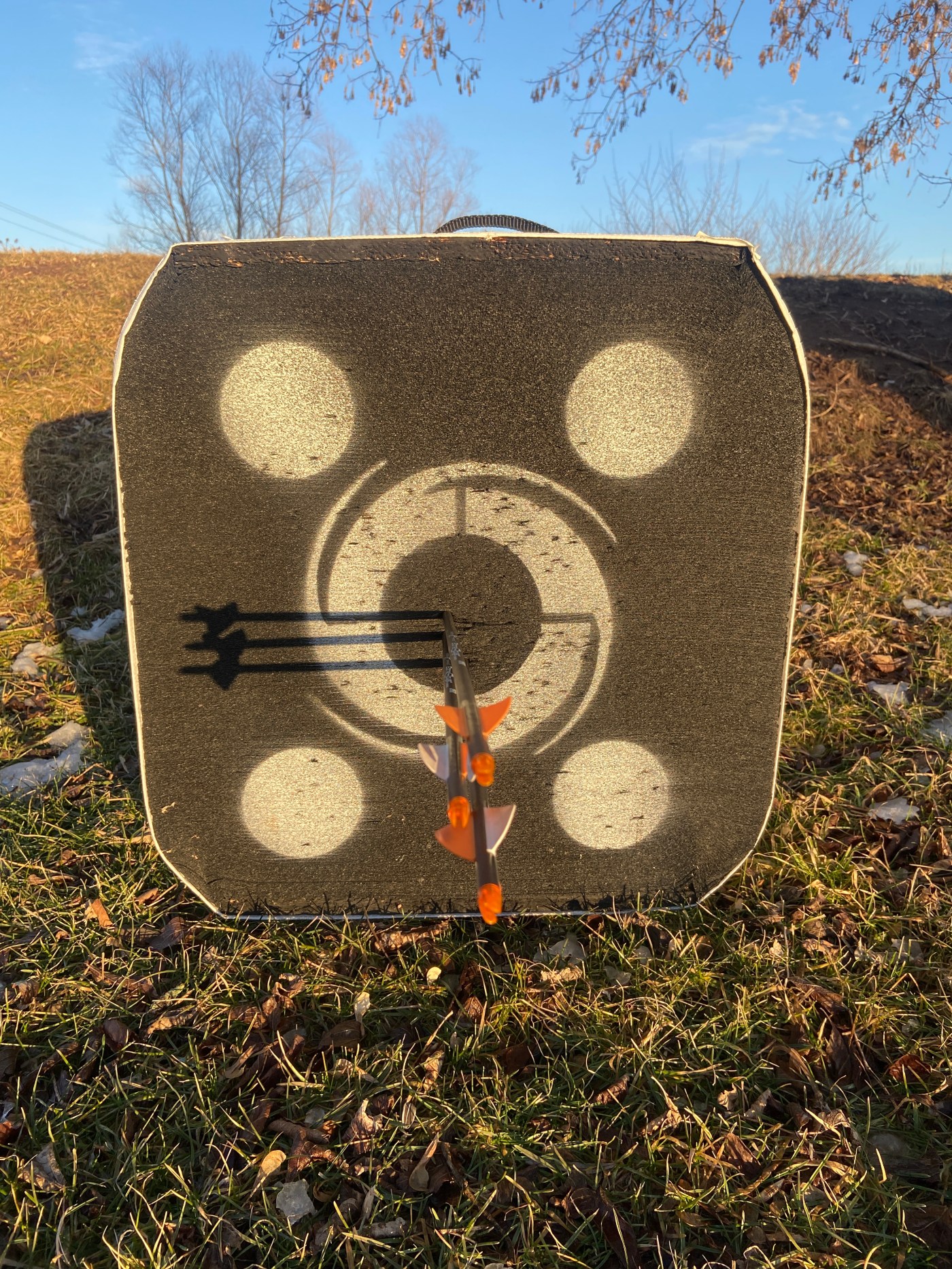
Bow hunting is the least forgiving form of hunting. That makes practice and self-awareness two of the primary factors in your success.
The two go hand-in-hand. You really can’t have one without the other.
Odds are, every time you pull the trigger on your release in the field you are about the make a long-lasting memory. Your marksmanship will decide whether it is a positive one or not.
In my experience, most hunters who miss or wound a deer during archery season simply don’t practice regularly. If that’s not the case, the issue normally stems from the fact they took a shot they had never taken before. That’s a hell of a gamble when we’re talking about claiming a life.
In either case, the only solution is regular, thorough practice.
So when is the best time to practice shooting your bow?
Right now.
Full disclosure: I am writing this article roughly two months before bow season opens here in Wisconsin. But the fact is: there is never a bad time to be shooting your bow.
To some, that idea is a tired cliche. But so few hunters actually heed that advice.
Hunting is full of variables, but your accuracy shouldn’t be one of them. You don’t know when your next shot will present itself, but that arrow needs to find its home each and every time. You owe it to that animal to make a clean, precise shot. It’s an ethics thing.
The onus is on the hunter to know what they are capable of and I’m not just talking about yardages.
The only way you can head to the field with the knowledge you need is through extensive, meaningful practice.
While you will never completely eliminate misses or bad shots, you are capable of making them almost non-existent.
With that in mind, here are some ideas for shaping your practice routine in way that will prepare you for the widest variety of scenarios:
Shoot in varying light conditions
Unless you’re hunting the rut, chances are good that the big bruiser you’ve been watching on camera all year isn’t going to show himself at high noon. So you need to practice in low light. Shoot a quiver or two at sunset or right when you get out of bed in the morning. You’ll quickly find out how comfortable you are in these situations.
Shoot at different angles
Any hunter will tell you, most deer don’t stand broadside straight out from the stand at 25 yards. So why is that the only shot you’re practicing?
Similarly, you’re not likely to take many shots from the ground, either. So, if your situation allows, try to add elevated shots to your routine along with shots at varying horizontal angles. You may need to get creative, but these exercises will pay off.
Shoot in varying weather conditions
I don’t know about you, but most of my sits aren’t on bluebird days. And while it’s more fun to practice when the sun is shining and the birds are singing, that simply isn’t a realistic hunting scenario.
Try to carve out some time to shoot when it’s windy, cloudy, raining, or snowing. Shoot when it’s cold. Shoot when it’s hot. Shoot when it’s buggy.
Put yourself in the widest variety of situations you can.
Shoot in your hunting gear
This may be a big ask during the summer months, but it is an absolute must once the season draws near.
So much of bow hunting accuracy is dependent upon consistent and comfortable form. Sometimes your clothing can have a surprising impact on that.
If you plan on heading to the woods soon and won’t be sitting out there in shorts and a t-shirt, don’t shoot in them. Spend a few solid sessions in the same gear you’ll be wearing in the tree or blind.
Take notes and adjust accordingly
Self-awareness is huge here.
Keep a log of your practice sessions. Which situations provide you with the highest degree of accuracy? Which situations need more work? From there, you can modify your practice routine as necessary.
When it comes time to head to the woods, look back on your log and have an honest conversation with yourself. Set limits based on your capabilities and stick to them. Your hunting experience will be better for it.

